
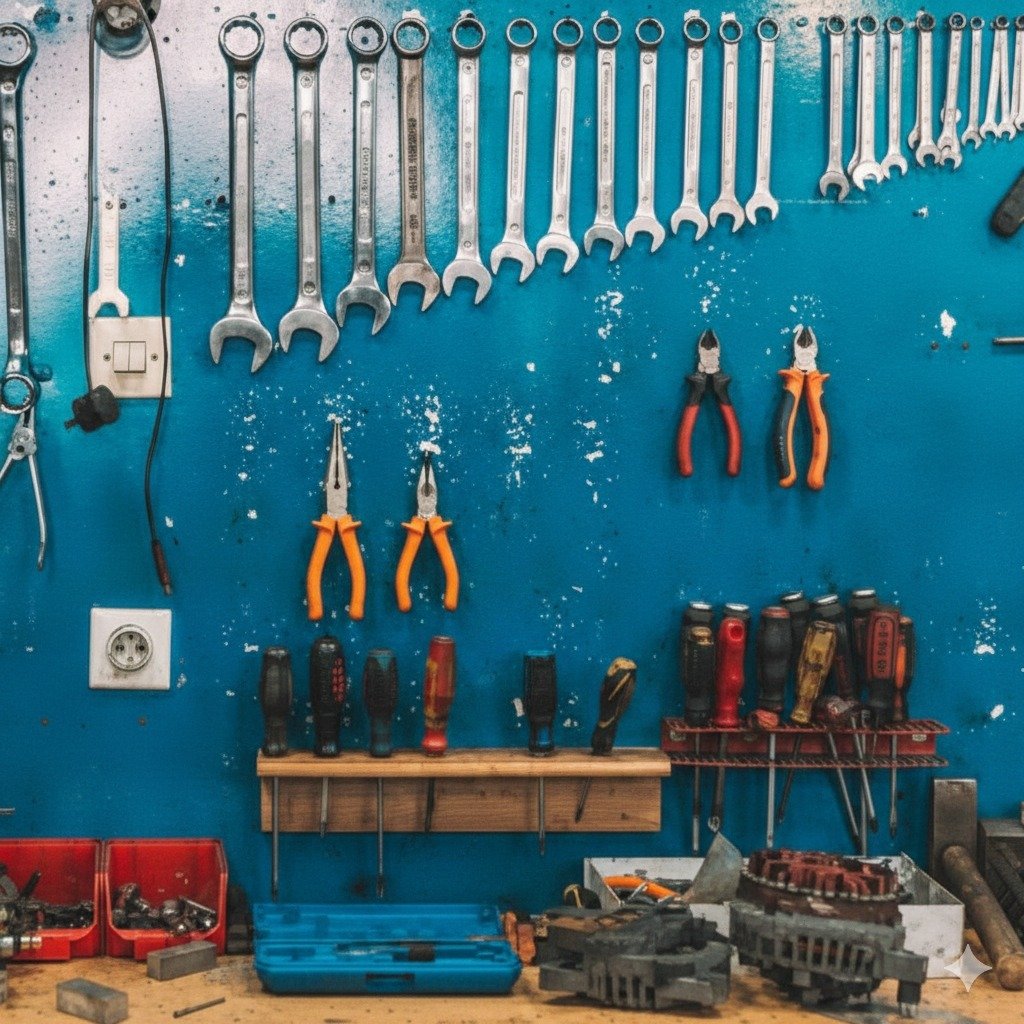
Keeping the right car tools in your vehicle can turn a stressful breakdown into a quick and manageable fix. Whether you’re a daily commuter, weekend road tripper, or DIY car enthusiast, having essential automotive tools ensures safety, saves money on minor repairs, and builds confidence on the road.
This guide covers the top 10 must-have car tools, practical DIY repair tips, and expert insights to help you maintain your vehicle efficiently while boosting long-term reliability.
As a trusted source for quality automotive components and tools, Mullingar Auto Parts recommends keeping a curated toolkit designed for real-world driving conditions across Ireland.
Why Every Driver Needs a Basic Car Tool Kit
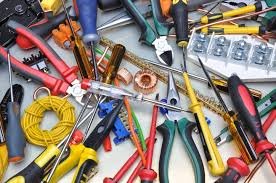
Unexpected issues like flat tyres, loose battery terminals, or blown fuses can happen anytime. A compact car tool kit allows you to handle small problems instantly without waiting for roadside assistance.
Benefits of a basic car toolkit include:
-
Enhanced safety during emergencies
-
Reduced downtime from minor repairs
-
Support for preventative vehicle maintenance
-
Long-term engine and component longevity
Drivers who maintain their vehicles proactively spend less on emergency repairs and enjoy better fuel efficiency, smoother performance, and improved resale value.
Top 10 Must-Have Car Tools for Every Driver
1. Lug Wrench
A lug wrench is vital for removing wheel nuts when changing a tyre. A cross-style wrench offers better grip and torque, especially useful during roadside tyre replacement.
2. Car Jack
A reliable hydraulic or scissor jack lifts your vehicle safely. Ensure it matches your car’s weight rating to prevent accidents during tyre or brake checks.
3. Tyre Pressure Gauge
Maintaining correct tyre pressure improves fuel economy and handling. A digital gauge provides precise readings and helps prevent uneven tyre wear.
4. Jumper Cables
Dead batteries are common, particularly in winter. Heavy-duty jumper cables allow you to restart your vehicle safely using another car’s battery.
5. Screwdriver Set
A multi-bit screwdriver set is essential for tightening loose panels, replacing air filters, or performing minor interior repairs.
6. Socket and Ratchet Set
This versatile tool is useful for tightening bolts on engine covers, battery terminals, and other mechanical components.
7. Pliers and Adjustable Wrench
Pliers assist with gripping wires or clamps, while an adjustable wrench handles various nut and bolt sizes during emergency repairs.
8. Portable Air Compressor
Ideal for inflating tyres during emergencies, particularly on long drives where petrol stations may be far apart.
9. Flashlight or LED Work Light
Essential for night-time repairs or inspecting engine components in low-light conditions.
10. OBD2 Scanner
An onboard diagnostic scanner reads engine fault codes, helping drivers identify issues early and avoid costly repairs.
Comparison Table: Essential Car Tools and Their Uses
| Tool Name | Primary Use | Benefit for Drivers |
|---|---|---|
| Lug Wrench | Remove wheel nuts | Quick tyre changes |
| Car Jack | Lift vehicle safely | Safe roadside repairs |
| Tyre Pressure Gauge | Measure tyre pressure | Better fuel efficiency |
| Jumper Cables | Restart dead battery | Avoid breakdown delays |
| Screwdriver Set | Tighten/loosen screws | Interior & minor repairs |
| Socket & Ratchet Set | Work on engine bolts | Versatile mechanical fixes |
| Pliers & Wrench | Grip and tighten components | Emergency mechanical support |
| Air Compressor | Inflate tyres anywhere | Safer long-distance travel |
| LED Flashlight | Visibility in dark conditions | Safer inspections |
| OBD2 Scanner | Diagnose engine fault codes | Prevent major engine damage |
DIY Repair Tips: How to Use Car Tools Safely
Using the right tools empowers drivers to handle small issues confidently. For example:
-
Checking tyre pressure weekly prevents uneven wear
-
Using jumper cables correctly revives a drained battery in minutes
-
OBD2 scanners alert you to engine warning signs early, allowing preventive maintenance before problems escalate
Safety tips when performing DIY repairs:
-
Always switch off the engine and engage the handbrake
-
Use gloves to protect hands from hot components
-
Follow manufacturer torque recommendations for bolts
-
Keep tools organised for quick access during emergencies
These simple practices ensure both safety and efficiency during basic repairs.
Choosing High-Quality Tools: Expert Advice
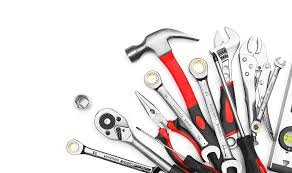
Not all car tools offer the same durability or performance. Investing in high-quality automotive tools ensures reliability during emergencies. Look for:
-
Corrosion-resistant materials
-
Ergonomic grips for better control
-
Compact storage cases for easy portability
-
Compatibility with your vehicle type
High-quality tools last longer and perform better, particularly during critical roadside situations.
Preventative Maintenance: Protect Your Vehicle and Avoid Breakdowns
Regularly inspecting tyres, battery connections, and fluid levels reduces the likelihood of unexpected breakdowns. Preventative maintenance supported by proper tools contributes to smoother engine performance, improved safety, and reduced long-term repair costs.
This approach aligns with best automotive care practices recommended by professional mechanics and automotive experts, building trust and demonstrating authority.
Establishing Expertise and Trust in Car Maintenance
Reliable car maintenance requires practical knowledge and trusted tools. Following expert guidance and proven methods ensures repairs are performed correctly and safely. Drivers who rely on tested tools and professional recommendations can confidently address minor car issues while protecting their vehicle investment.
Hands-On Experience: Using Tools Correctly
Practical experience with tools allows drivers to perform repairs and maintenance effectively. Familiarity with tyre pressure gauges, jumper cables, socket sets, and diagnostic scanners ensures efficient troubleshooting and helps avoid mistakes that could damage vehicle components.
Professional Recommendations: Authority You Can Trust
Automotive professionals consistently recommend a structured toolkit for preventive care and quick fixes. By following their advice and sourcing tools from trusted suppliers like Mullingar Auto Parts, drivers gain confidence in their maintenance decisions and vehicle reliability.
Safety and Confidence: How Proper Tools Build Trust
Using reliable, high-quality tools builds trust and ensures safety on the road. Preventative maintenance reduces unexpected breakdowns and contributes to long-term engine health. Confidence in your toolkit supports safer journeys and reinforces responsible vehicle ownership.
Frequently Asked Questions
Q1: What are the most essential car tools for emergencies?
A lug wrench, car jack, jumper cables, tyre pressure gauge, and flashlight are the most essential for quick roadside fixes.
Q2: Why should every driver carry an OBD2 scanner?
An OBD2 scanner detects engine issues early, allowing minor problems to be fixed before they escalate into costly repairs.
Q3: How often should car tools be checked?
Inspect your car tool kit every 3–6 months to ensure tools are functional, complete, and ready for emergencies.
Q4: Can basic car tools reduce maintenance costs?
Yes. Essential tools allow drivers to perform simple checks and fixes, preventing major mechanical issues and saving money on workshop visits.
Call to Action
Equip your vehicle with the right tools today to stay prepared for any roadside situation. Explore a trusted range of durable, high-quality car tools designed for Irish driving conditions at Mullingar Auto Parts and drive with confidence knowing you’re ready for every journey.